

Categorías
nuevo blog
Etiquetas
Se logra un funcionamiento continuo y de alto rendimiento en enfriadores de tornillo industriales refrigerados por aire centrándose en tres estrategias clave:
Seleccione diseños robustos que resistan entornos exigentes.
Seleccione el tamaño adecuado para su enfriadora, de acuerdo con las necesidades de refrigeración de sus instalaciones.
Planifique un mantenimiento preventivo para evitar averías inesperadas.
La fiabilidad comienza por minimizar el tiempo de inactividad. Se supervisa el rendimiento, se solucionan los problemas con rapidez y se mantienen las piezas de repuesto disponibles.
Elija diseños robustos para enfriadores refrigerados por aire para garantizar que resistan entornos industriales exigentes.
Implemente un programa de mantenimiento regular para detectar pequeños problemas antes de que provoquen costosos tiempos de inactividad.
Utilice sistemas de control avanzados y automatización para la monitorización y los ajustes en tiempo real, con el fin de mejorar la eficiencia del sistema de refrigeración.
Incorpore sistemas de redundancia y respaldo para protegerse contra fallas inesperadas y mantener un funcionamiento continuo.
Considere la posibilidad de realizar mejoras como la integración de un inversor para aumentar la eficiencia y prolongar la vida útil de su enfriadora.
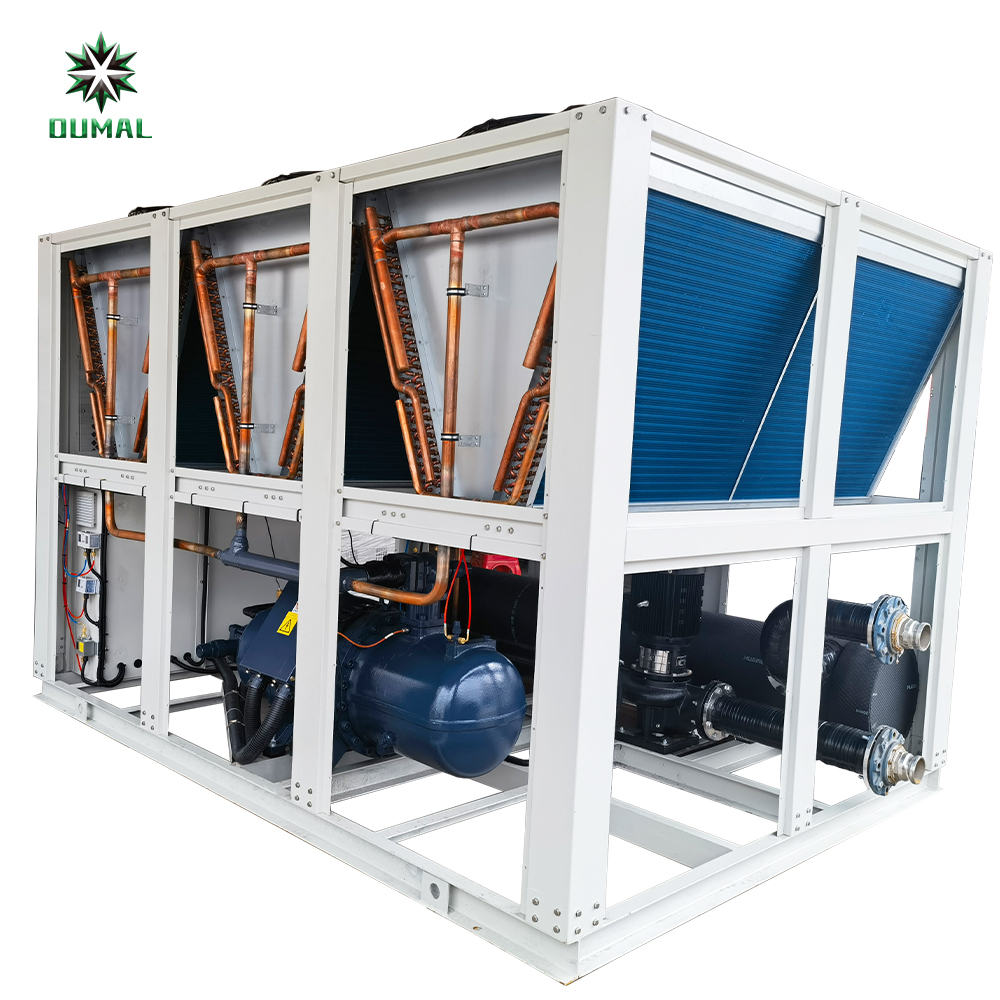
Necesita elegir equipos que puedan soportar las exigencias industriales más rigurosas. Un enfriador de aire de alta resistencia utiliza un compresor de tornillo reforzado. Este tipo de compresor ofrece un rendimiento fiable incluso funcionando las 24 horas. El compresor de tornillo resiste el desgaste gracias a sus robustos componentes internos y rodamientos de alta calidad. Además, se beneficia de intercambiadores de calor más grandes y resistentes. Estos intercambiadores transfieren el calor de manera eficiente y soportan condiciones de funcionamiento extremas. Al seleccionar un enfriador de alta resistencia, obtiene un sistema construido con tuberías más gruesas, bastidores duraderos y materiales resistentes a la corrosión. Esta construcción ayuda a evitar fallos inesperados y garantiza el buen funcionamiento de su operación.
Consejo: Compruebe siempre las especificaciones relativas a la potencia del compresor y al tamaño del intercambiador de calor antes de realizar la compra.
Mejoras la fiabilidad al usar controles avanzados y automatización. Los modernos enfriadores de alta resistencia vienen con controladores inteligentes que monitorean la temperatura, la presión y el caudal en tiempo real. Estos sistemas ajustan su funcionamiento automáticamente para satisfacer tus necesidades de refrigeración. Puedes configurar alarmas para condiciones anormales, lo que te permite detectar problemas a tiempo. Algunos controladores permiten la conexión con sistemas de gestión de edificios para el monitoreo remoto. Esta función te brinda acceso instantáneo a los datos de rendimiento y te ayuda a tomar decisiones rápidas. La automatización reduce el error humano y garantiza que tu enfriador funcione con la máxima eficiencia.
Ventajas de los controles avanzados:
Monitoreo en tiempo real
Ajustes automáticos
alarmas de alerta temprana
Acceso remoto
Protege tu proceso de interrupciones añadiendo sistemas de redundancia y respaldo. Un enfriador de alta resistencia suele incluir bombas dobles, ventiladores adicionales o compresores en paralelo. Si un componente falla, el sistema de respaldo toma el relevo sin detener el proceso de enfriamiento. También puedes instalar fuentes de alimentación de emergencia para mantener el enfriador en funcionamiento durante cortes de energía. El diseño redundante te permite evitar interrupciones costosas y mantener la calidad del producto. Debes probar los sistemas de respaldo periódicamente para asegurarte de que funcionen cuando más los necesites.
Nota: La redundancia no es solo una opción para aplicaciones de misión crítica. Es una buena práctica para cualquier instalación que valore la continuidad operativa.
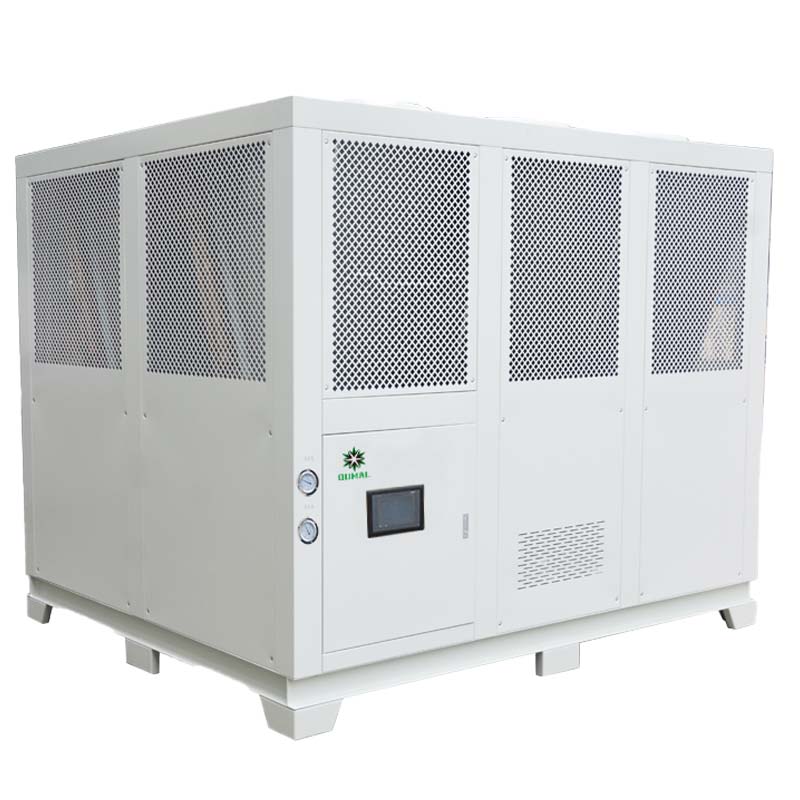
Un mantenimiento adecuado garantiza el óptimo funcionamiento de sus enfriadoras de aire y le ayuda a evitar costosos tiempos de inactividad. Es necesario seguir un enfoque estructurado que incluya rutinas preventivas, limpieza regular y monitorización inteligente. Planificando con anticipación, protege su capacidad de refrigeración y prolonga la vida útil de sus equipos.
Nunca se debe pasar por alto el mantenimiento preventivo. Es fundamental para el funcionamiento fiable de los enfriadores de aire. Al seguir un programa de mantenimiento, se detectan los pequeños problemas antes de que se agraven. A continuación, se muestra una tabla con los intervalos y las actividades recomendadas por la industria para enfriadores que operan bajo carga continua:
|
Frecuencia de mantenimiento |
Actividades de mantenimiento |
|---|---|
|
Diario/Semanal |
Supervisar las condiciones de funcionamiento, inspeccionar los niveles de refrigerante y comprobar si hay fugas. |
|
Mensual/Trimestral |
Limpiar filtros, realizar Pruebas en dispositivos de control, inspección de componentes mecánicos. |
|
Anual |
Limpieza profunda de los componentes, evaluación del rendimiento del sistema, sustitución de las piezas desgastadas. |
El mantenimiento preventivo no solo reduce estos costes, sino que también garantiza una mayor vida útil de los equipos y menos interrupciones en la producción.
Ahorrarás tiempo y dinero al prevenir daños antes de que ocurran. Las inspecciones periódicas te ayudan a detectar problemas a tiempo. Podrás realizar las reparaciones antes de que afecten la capacidad de refrigeración o provoquen una disminución del rendimiento.
El mantenimiento regular de los sistemas de refrigeración beneficia a su empresa de las siguientes maneras:
Ahorro de tiempo y dinero: Aunque programar o realizar un mantenimiento regular pueda parecer un gasto considerable o una tarea que consume mucho tiempo, puede ahorrarle tiempo y dinero. El mantenimiento regular de los sistemas de refrigeración ayuda a prevenir daños, lo que permite a su empresa ahorrar en futuras reparaciones. Si bien el mantenimiento rutinario no elimina todos los riesgos, puede reducir significativamente los daños potenciales.
Longevidad de la máquina: Un mantenimiento adecuado reduce los daños y, además, prolonga la vida útil de su equipo. La vida útil de un enfriador suele ser mayor cuando una empresa se encarga de su mantenimiento y realiza las reparaciones necesarias. Las inspecciones periódicas permiten identificar los problemas y encontrar soluciones a tiempo. De esta manera, podrá realizar las reparaciones antes de que el daño empeore o afecte a otros componentes del equipo, lo que contribuye a una mayor durabilidad del sistema.
Para mantener un alto rendimiento, es necesario mantener limpios los enfriadores de aire. El polvo y los residuos pueden obstruir los filtros del condensador y reducir la capacidad de enfriamiento. Se recomienda limpiar los filtros y las serpentinas periódicamente. Este sencillo paso ayuda a que el enfriador transfiera el calor de manera eficiente y evita el sobrecalentamiento.
Establezca una rutina para monitorear las alarmas e indicadores del sistema. Los enfriadores modernos cuentan con sensores que le alertan sobre condiciones anormales. Al responder rápidamente a estas alarmas, evitará problemas mayores y mantendrá estable su capacidad de enfriamiento. Revise siempre si hay fugas, ruidos inusuales o cambios de temperatura. Estas señales suelen indicar problemas que requieren atención inmediata.
Lista de verificación para el monitoreo diario:
Inspeccione los niveles de refrigerante.
Presta atención a los sonidos inusuales.
Compruebe las lecturas de temperatura y presión.
Revisar los registros de alarmas
Siguiendo estos pasos, usted garantiza su enfriador de tornillo refrigerado por aire s ofrecer un rendimiento constante cada día.
Puede minimizar el tiempo de inactividad manteniendo un stock de repuestos críticos. Los enfriadores de aire funcionan continuamente, por lo que algunos componentes se desgastan más rápido que otros. Si espera a pedir repuestos después de una falla, corre el riesgo de sufrir largos ciclos de reparación y retrasos en la producción. El ciclo de reparación promedio para los componentes principales es de 7 a 10 días, pero puede demorar más si no hay repuestos disponibles. Siempre debe tener en stock con anticipación los repuestos de uso frecuente para agilizar las reparaciones y los reemplazos.
El diagnóstico predictivo lleva su programa de mantenimiento al siguiente nivel. Estas herramientas utilizan sensores y análisis de datos para predecir fallas antes de que ocurran. Recibirá alertas sobre la disminución del rendimiento o posibles averías. Esto le permite planificar las reparaciones durante los periodos de inactividad programados, no durante una crisis.
Aquí se muestra una tabla que ilustra cómo los diagnósticos predictivos mejoran los resultados del mantenimiento de los enfriadores de aire:
|
Beneficio |
Porcentaje de mejora |
|---|---|
|
Reducción de caídas no planificadas tiempo |
85% |
|
Menores costos de mantenimiento |
30% |
|
Mayor vida útil del equipo |
25% |
|
mejora de la eficiencia energética |
15% |
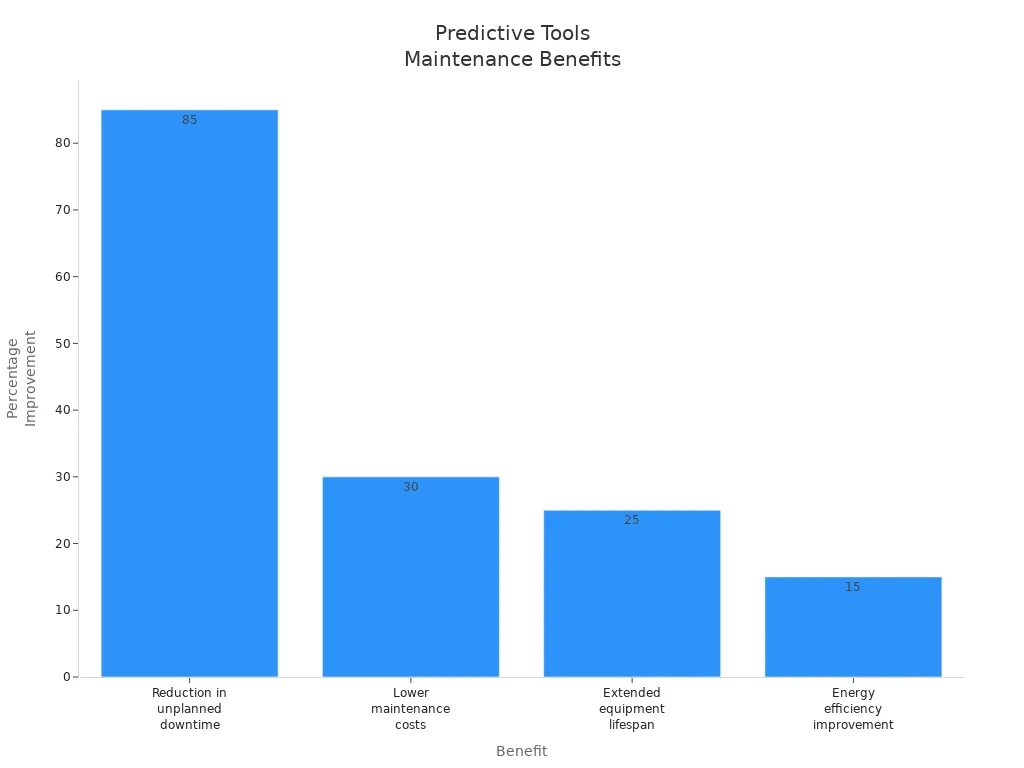
Consejo: El diagnóstico predictivo le ayuda a evitar sorpresas y a mantener sus enfriadoras de aire funcionando a su máximo rendimiento. Protege su capacidad de refrigeración y obtiene mayor rentabilidad de su inversión.
Al combinar rutinas preventivas, limpieza regular y diagnósticos predictivos, usted garantiza que su industrial enfriadores refrigerados por aire Ofrecen un rendimiento fiable y la máxima capacidad de refrigeración durante todo el año.
Debe comenzar cada día con una inspección minuciosa de su sistema de refrigeración. Las revisiones diarias le ayudarán a detectar pequeños problemas antes de que se conviertan en problemas mayores. Concéntrese en las siguientes tareas:
Compruebe la temperatura del agua de entrada y salida para confirmar que la refrigeración es adecuada.
Verifique que el caudal se mantenga dentro del rango de diseño.
Busque alarmas o códigos de error en el panel de control.
Inspeccione si hay fugas de agua o refrigerante alrededor de la unidad.
Presta atención a cualquier ruido anormal proveniente de la bomba, el compresor o los ventiladores.
También debe registrar los datos operativos clave. El seguimiento de temperaturas, presiones, niveles de fluidos, caudales y amperaje del motor le ayuda a detectar tendencias e identificar desviaciones a tiempo. La siguiente tabla muestra por qué cada métrica es importante:
|
Métrico |
Importancia |
|---|---|
|
Temperaturas |
Identifica desviaciones de la normalidad |
|
Niveles de fluidos |
Garantiza un funcionamiento adecuado y previene problemas. |
|
presiones |
Indica sistema eficiencia del equipo y posibles fallos |
|
Caudales |
Imprescindible para un rendimiento óptimo del enfriador. |
|
amperaje del motor |
Monitorea el consumo eléctrico y el rendimiento. |
Consejo: Llevar un registro diario y sistemático facilita el mantenimiento de una refrigeración fiable y previene paradas inesperadas.
Maximice la fiabilidad de su enfriadora ajustando la capacidad de refrigeración a la demanda de sus instalaciones. Los sistemas de control avanzados regulan el funcionamiento de la enfriadora en tiempo real, garantizando que nunca desperdicie energía ni sobrecargue su equipo. Los variadores de velocidad permiten que su enfriadora funcione de manera eficiente con cargas parciales, algo habitual en la mayoría de los entornos industriales. Las tecnologías de modulación de capacidad le ayudan a suministrar la cantidad exacta de refrigeración necesaria en cada momento.
Debe supervisar periódicamente los datos de rendimiento. Las estrategias de mantenimiento predictivo utilizan estos datos para identificar posibles problemas antes de que afecten al proceso de refrigeración. Al mantener el sistema ajustado a la demanda real, prolonga la vida útil del equipo y garantiza una refrigeración estable para sus operaciones.
Utilice los controles avanzados para realizar ajustes en tiempo real.
Instale variadores de velocidad para un funcionamiento eficiente a carga parcial.
Aplique modulación de capacidad para ajustar la potencia de refrigeración a la demanda.
Confíe en el mantenimiento predictivo para detectar los problemas a tiempo.
Necesitas un protocolo claro para la resolución de problemas que minimice el tiempo de inactividad y proteja tu proceso de refrigeración. Sigue estos pasos para una solución eficaz de problemas:
Supervise diariamente las presiones de funcionamiento, las temperaturas y los indicadores del sistema.
Inspeccione las conexiones eléctricas y lubrique las piezas móviles cada mes.
Compruebe los niveles de refrigerante, los controles de seguridad y realice pruebas de detección de fugas trimestral o anualmente.
Los problemas más comunes incluyen serpentines del condensador obstruidos, fallas en el motor del ventilador y fugas de refrigerante. A menudo, estos problemas se pueden detectar mediante lecturas de baja presión o un comportamiento anormal del sistema. Mantenga su sistema limpio y trate el agua del condensador para limitar la corrosión y la acumulación de residuos. Al responder rápidamente a las alarmas o lecturas inusuales, mantendrá una refrigeración confiable y evitará interrupciones costosas.
Nota: Una actuación rápida y la resolución de problemas rutinaria mantienen su sistema de refrigeración fiable y eficiente.
Es posible que observe que el sobrecalentamiento es uno de los problemas más frecuentes en los enfriadores de tornillo refrigerados por aire, especialmente durante el funcionamiento continuo. El sobrecalentamiento puede dañar el compresor y reducir la eficiencia del sistema. La siguiente tabla muestra las principales causas y sus efectos:
|
Causa |
Efecto |
|---|---|
|
Fallas de alta presión |
Corriente excesiva del compresor, riesgo de que se queme el motor y daños en el equipo. |
|
Carga excesiva de refrigerante |
Presiones elevadas, alta corriente del compresor |
|
Alta temperatura del agua de refrigeración |
Pobre compañía Densificación, aumento de la presión de condensación, fallas de alta presión |
|
Aletas del condensador contaminadas |
Disipación de calor deficiente, temperatura de descarga más alta, mayor carga del compresor. |
|
Paro de los aficionados |
Mayor carga del compresor, aumento de la temperatura del aceite, riesgo de sobrecalentamiento. |
|
Disipación de calor deficiente |
Mayores temperaturas del bobinado y del aceite, mayor desgaste de los cojinetes. |
|
Petróleo insuficiente |
Desequilibrio térmico, sobrecalentamiento, posible fallo |
Las fluctuaciones de carga también ponen a prueba la estabilidad de los enfriadores. Los enfriadores de tornillo, en cambio, ajustan su capacidad de refrigeración según la demanda. Funciones como el ajuste mediante válvula deslizante y los variadores de frecuencia ayudan a gestionar el consumo de energía y a mantener la estabilidad del sistema. Al tener menos piezas móviles, los enfriadores de tornillo reducen el desgaste mecánico y las vibraciones, incluso ante cambios bruscos de carga.
Debe estar atento a fallas eléctricas y mecánicas, ya que son las principales causas de tiempo de inactividad. Las fugas de refrigerante representan entre el 25 % y el 30 % de todas las llamadas de servicio y, si no se detectan a tiempo, suelen provocar fallas en el compresor. Los condensadores sucios pueden activar paradas de seguridad por alta presión y aumentar el consumo de energía. Los problemas eléctricos, como la deriva de los sensores, causan alrededor del 20 % de las paradas no planificadas y pueden ser difíciles de diagnosticar.
Para reducir estos riesgos, siga estas medidas preventivas:
Inspeccione y limpie las bobinas del condensador con regularidad.
Controle los niveles de refrigerante y compruebe si hay fugas.
Mantenga un tratamiento de agua adecuado para prevenir la acumulación de incrustaciones y la corrosión.
Compruebe los componentes y las conexiones eléctricas.
Programe un servicio profesional anual para una inspección exhaustiva.
Consejo: El mantenimiento regular ayuda a detectar los problemas a tiempo y garantiza el funcionamiento fiable de su enfriadora.
Debe tener en cuenta factores ambientales como la temperatura ambiente y la calidad del aire. Las altas temperaturas exteriores o la mala calidad del aire pueden reducir el rendimiento del enfriador. Los enfriadores modernos utilizan tecnologías como los variadores de frecuencia (VFD) y la relación de volumen variable (VVR) para adaptarse a las condiciones cambiantes y mantener la eficiencia.
Cada sector industrial se enfrenta a retos únicos. En la fabricación, se requiere un control preciso de la temperatura para proteger los equipos y garantizar la calidad del producto. En el procesamiento de alimentos y plásticos, los sistemas de refrigeración ayudan a mantener temperaturas seguras para los productos y se integran fácilmente en los sistemas existentes. Una refrigeración fiable y unos controles robustos son esenciales para prevenir daños y mantener un funcionamiento estable en todas las aplicaciones.
Puedes aumentar la eficiencia de tu compresor de tornillo integrando un inversor. La tecnología de inversor te brinda control de velocidad variable, lo que permite que tu sistema de refrigeración ajuste la velocidad del compresor según la demanda de enfriamiento. Este enfoque reduce el desperdicio de energía y mantiene tu sistema funcionando sin problemas en todos los niveles de carga. Al usar un motor síncrono de imanes permanentes con un inversor de frecuencia, reduces la corriente del motor y el consumo de energía en comparación con los motores tradicionales.
El funcionamiento a frecuencia variable permite una regulación precisa de la presión y una presión de suministro de aire estable. Esto minimiza el consumo de energía al reducir las fluctuaciones de presión.
El compresor puede ajustar su potencia para adaptarse a las necesidades de capacidad, evitando así un consumo innecesario de energía durante los períodos de baja carga.
La integración del inversor permite que su enfriadora funcione a velocidades de entre 1750 y 8000 RPM. Este amplio rango mejora el control y el ahorro de energía, especialmente a carga parcial.
Las mejoras en la eficiencia gracias a la integración de inversores oscilan entre el 5 % y el 70 % con respecto a los compresores de tornillo estándar. Además, se consigue una mayor eficiencia a carga parcial, lo cual es importante para la mayoría de las aplicaciones industriales.
Puede modernizar su sistema de refrigeración antiguo con mejoras específicas. Las actualizaciones bien planificadas pueden aumentar la eficiencia entre un 15 % y un 40 %. Las opciones de modernización más comunes incluyen la instalación de variadores de velocidad, la actualización de los sistemas de control y la conversión a refrigerantes ecológicos. Estos cambios le ayudarán a cumplir con los nuevos estándares de eficiencia y a reducir los costos operativos.
El mercado global de modernización de enfriadoras está creciendo rápidamente. El aumento de los costos energéticos y las normativas ambientales más estrictas impulsan esta tendencia. Muchas enfriadoras antiguas operan con una eficiencia mucho menor que las unidades modernas. Por ejemplo, las enfriadoras antiguas suelen tener un coeficiente de rendimiento (COP) entre 2,5 y 4,0, mientras que los nuevos modelos de alta eficiencia alcanzan valores de COP superiores a 6,0. Esta diferencia significa que podría ahorrar mucha energía y dinero modernizando su equipo. La mayoría de las modernizaciones se amortizan en dos a cinco años, lo que las convierte en una inversión inteligente.
Puede prolongar la vida útil de su compresor de tornillo y maximizar su eficiencia priorizando la durabilidad. Elija componentes y materiales de alta calidad que resistan el desgaste y la corrosión. Inspeccione y realice el mantenimiento de su sistema de refrigeración periódicamente para prevenir averías y mantener una capacidad estable. Los controles avanzados y el diagnóstico predictivo le ayudan a detectar problemas a tiempo, para que pueda solucionarlos antes de que afecten el rendimiento.
Utilice una construcción robusta en todos los compresores de tornillo para soportar un funcionamiento continuo.
Supervise los datos del sistema para garantizar que la capacidad se ajuste a la demanda y evitar sobrecargar el compresor.
Mejore el aislamiento y optimice el flujo de aire para reducir la pérdida de energía y mejorar la eficiencia.
Al combinar la integración del inversor, la modernización y un enfoque en la durabilidad, se garantiza que su sistema de refrigeración por tornillo ofrezca una capacidad fiable y la máxima eficiencia durante años.
Se logra un funcionamiento continuo y de alto rendimiento en enfriadoras de tornillo refrigeradas por aire mediante un diseño robusto, un mantenimiento regular y una disciplina operativa rigurosa. Las mejoras como los secadores integrados, la gestión electrónica del condensado, los sistemas de accionamiento directo y los variadores de velocidad garantizan una fiabilidad a largo plazo y reducen los costes. Las mejoras en el sellado, el rotor y los cojinetes optimizan aún más el rendimiento. Protege su inversión y asegura una refrigeración constante implementando las mejores prácticas y considerando mejoras en la eficiencia.
Usted elige enfriadoras de aire para operaciones industriales porque ofrecen soluciones de refrigeración confiables. Estas enfriadoras soportan entornos adversos y proporcionan una refrigeración constante. Se benefician de una fácil instalación y un bajo mantenimiento. Las enfriadoras de aire funcionan bien en complejos industriales donde el acceso al agua es limitado.
Usted mantiene el funcionamiento continuo siguiendo estrictas rutinas de mantenimiento. Monitorea su enfriadora diariamente y responde rápidamente a las alarmas. Mantiene repuestos disponibles y utiliza diagnósticos predictivos. Los sistemas de enfriadoras de tornillo enfriadas por aire requieren limpieza y verificaciones de rendimiento periódicas para respaldar la refrigeración de procesos industriales.
Ahorras energía y reduces costes al priorizar la eficiencia energética. Los enfriadores de aire con controles avanzados consumen menos energía durante cargas parciales. Reduces tu impacto ambiental y prolongas la vida útil de los equipos. Los enfriadores eficientes te ayudan a alcanzar tus objetivos de sostenibilidad en entornos industriales.
Usted limpia las serpentinas del condensador, verifica los niveles de refrigerante e inspecciona las conexiones eléctricas. Monitorea las presiones y temperaturas del sistema. Programa el mantenimiento preventivo de su enfriadora. Estas tareas mantienen sus enfriadoras de aire funcionando correctamente y evitan paradas inesperadas en aplicaciones industriales.
En los grandes complejos industriales, los enfriadores de aire son una opción confiable debido a su potente capacidad de refrigeración. Estos enfriadores se adaptan fácilmente a las diferentes cargas y ofrecen flexibilidad para diversas necesidades de refrigeración. Los enfriadores de aire proporcionan soluciones de refrigeración confiables para entornos industriales exigentes.



 es
es en
en