

Categorías
nuevo blog
Etiquetas
Siempre debe comenzar con cálculos correctos de la carga de enfriamiento al elegir un enfriador scroll refrigerado por agua Este paso le ayuda a evitar errores y garantiza que su equipo se adapte a sus instalaciones. Vea cómo el tamaño adecuado afecta su operación:
|
Beneficio |
Descripción |
|---|---|
|
Rendimiento optimizado del sistema |
Marcas sistemas de refrigeración industrial funcionan mejor y mantienen estables las temperaturas del proceso. |
|
Ahorro de energía |
Los enfriadores de tamaño adecuado utilizan menos energía y reducen las facturas de servicios públicos de su fábrica. |
|
Mayor vida útil del sistema |
Los enfriadores eficientes no trabajan tan duro, por lo que se rompen menos y necesitan menos reparaciones. |
|
Estabilidad de la producción |
Un mejor rendimiento de refrigeración y un menor tiempo de inactividad hacen que las líneas de producción sean más eficientes. |
Verá que pensar en el ahorro a largo plazo, no solo en el precio inicial, es inteligente. Prepárese para recibir consejos útiles y recomendaciones sobre refrigeración industrial que podrían sorprenderle.
Primero, asegúrese de saber cuánta refrigeración necesita su proceso industrial. Esto le ayudará a elegir el enfriador de espiral refrigerado por agua adecuado. Planifique un mantenimiento regular para que su sistema de enfriamiento Funciona bien. Elija un enfriador que se ajuste a la demanda de refrigeración de su planta para evitar el desperdicio de energía y las reparaciones costosas. Revise las clasificaciones energéticas como COP e IPLV. Estas clasificaciones le ayudan a ahorrar dinero y a proteger el medio ambiente. Consulte con su experto en enfriadores sobre futuras ampliaciones para asegurarse de que su enfriador pueda soportar el crecimiento.
Debe comenzar por comprender claramente las necesidades de refrigeración de su edificio. Este paso le ayudará a elegir un enfriador scroll refrigerado por agua que se adapte a su espacio y mantenga... sistema de enfriamiento de procesos Funciona sin problemas. No intente calcular su carga de refrigeración. En su lugar, utilice un análisis de carga de bloque y calor para obtener cifras precisas.
El análisis térmico verifica cuánto calor obtiene su instalación de la maquinaria, los materiales y el entorno. Estos datos le ayudan a elegir el tamaño adecuado de enfriador.
Consejo: Si sobredimensiona su enfriador, desperdicia energía y dinero. Si lo subdimensiona, su equipo no mantendrá la temperatura suficiente para la producción.
Los estándares de la industria le guiarán en este proceso. La siguiente tabla muestra algunos estándares importantes que debe conocer:
|
Estándar |
Descripción |
|---|---|
|
AHRI 550/590 |
Proporciona un método consistente para calcular el rendimiento a carga parcial. Se centra en el análisis completo del sistema para lograr la máxima eficiencia. |
|
IPLV |
Se utiliza para comprobar el rendimiento de un solo enfriador. No está diseñado para calcular los costes operativos totales. |
|
Análisis exhaustivo |
Incluye datos ambientales, carga del proceso y uso de energía adicional para obtener una imagen real de la eficiencia. |
Siempre debe utilizar datos precisos y detalles de fábrica en sus cálculos. Este enfoque le ayuda a evitar errores costosos y a mantener su... sistema de enfriamiento eficiente.
Su línea de producción puede cambiar con el tiempo. Podría añadir nuevas máquinas, ampliar su planta o modificar sus requisitos de refrigeración. Debe planificar estos cambios al elegir su enfriador.
Piense en estos pasos:
Revise sus necesidades de refrigeración al menos dos veces al año durante diferentes picos de producción.
Programe un mantenimiento profesional una o dos veces al año para su sistema de refrigeración industrial .
Pídale a su personal técnico que revise cosas simples, como los filtros de agua, cada mes.
Nota: Las revisiones periódicas le ayudan a detectar problemas de forma temprana y a ajustar sus sistema de enfriamiento Antes de que los pequeños problemas se conviertan en grandes.
Si prevé que su negocio crezca, consulte con el fabricante de su enfriador sobre sus necesidades futuras. Puede elegir un enfriador con mayor capacidad o un diseño modular fácil de actualizar.
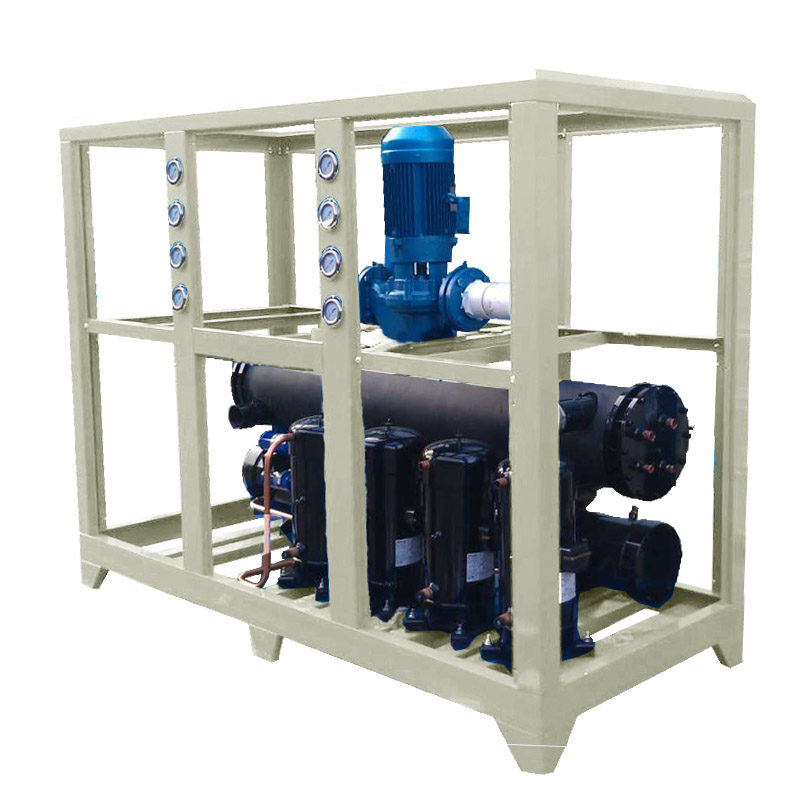
Tienes que elegir entre refrigerado por aire y enfriadores scroll refrigerados por agua Cada uno ofrece ventajas específicas para entornos industriales. Su elección influye en la estabilidad del enfriamiento de su proceso.
|
Característica |
Enfriadores refrigerados por aire |
Enfriadores refrigerados por agua |
|---|---|---|
|
Eficiencia |
Afectado por el aire ambiente caliente |
Funciona mejor, especialmente para uso industrial pesado. |
|
Instalación |
Configuración más rápida y sencilla |
Necesita torre de enfriamiento y bombas de agua. |
|
Mantenimiento |
Más simple con menos componentes |
Necesita tratamiento de agua y revisión de torres. |
|
Costo |
Menor costo inicial |
Cuesta más al principio, pero ahorra energía más adelante. |
Enfriadores de desplazamiento refrigerados por agua Son ideales para fábricas que necesitan una refrigeración masiva y constante. Si busca la mayor eficiencia sistema de enfriamiento de procesos , elegir enfriadores scroll refrigerados por agua .
Consejo: Enfriadores de desplazamiento refrigerados por agua Funcionan de maravilla para la inyección de plástico, centros de datos y plantas químicas. Refrigeran espacios industriales y reducen el consumo energético.
Debes asegurarte de que tu enfriador scroll refrigerado por agua se adapta a su demanda industrial. Esto ayuda a su sistema de enfriamiento Funciona bien y ahorra dinero.
Aquí te explicamos cómo conseguir la talla correcta:
Calcule la carga térmica de su maquinaria de producción y materias primas.
Verifique el clima local. Las plantas industriales en regiones más cálidas requieren un disipador de calor del condensador más robusto.
Seleccione la temperatura precisa del refrigerante requerida para su aplicación industrial específica.
|
Factor |
Descripción |
|---|---|
|
Capacidad de enfriamiento |
La producción de calor de su línea de producción determina el tamaño del enfriador. |
|
Selección de refrigerante |
El refrigerante cambia la calidad de su sistema de refrigeración industrial Obras y su eco-impacto. |
No piense que más grande siempre es mejor. Si su enfriador de espiral es demasiado grande, acortará los ciclos, desperdiciando energía y desgastando el compresor. Siempre use los números correctos antes de elegir un enfriador. Enfriador de espiral refrigerado por agua Oumal .
Debe considerar dos clasificaciones principales: COP e IPLV. El COP muestra la eficacia con la que su enfriador convierte la electricidad en refrigeración de proceso. Un COP más alto significa una mayor eficiencia para su sistema. sistema de enfriamiento y menores costos generales.
|
Capacidad de enfriamiento nominal (KW) |
COP mínimo |
|---|---|
| Menos de 528 | 3.8 |
| Mayor que 1163 | 4.2 |
La IPLV es vital para aplicaciones industriales donde la carga térmica varía a lo largo del día. Muestra el rendimiento del enfriador a carga parcial, que es donde pasa la mayor parte del tiempo.
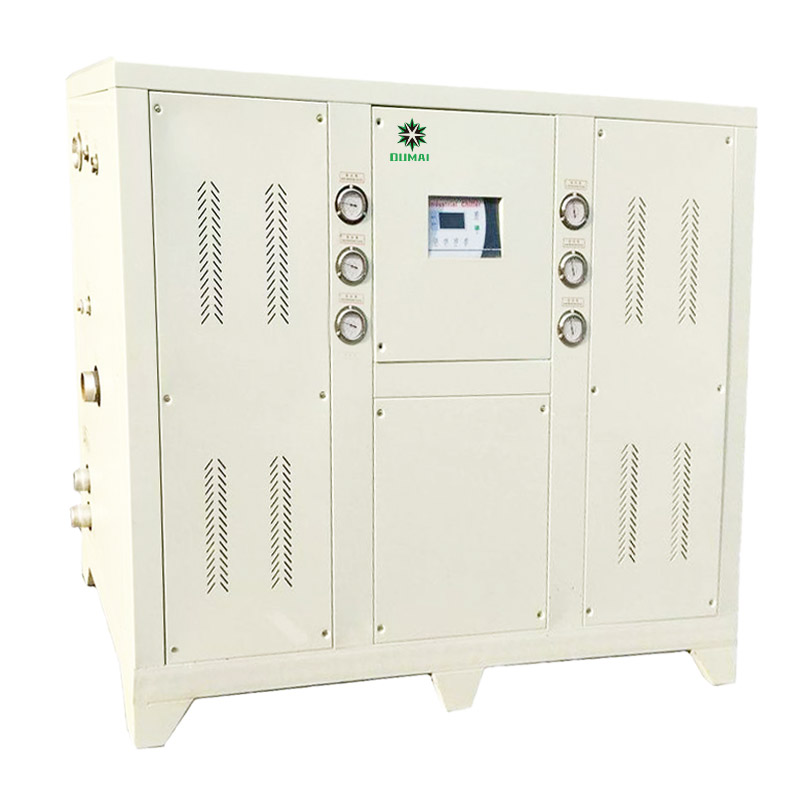
Debes dejar suficiente espacio alrededor de tu enfriador de agua industrial Para obtener consejos de mantenimiento regular, los expertos recomiendan un espacio de al menos 60 a 90 cm frente a la unidad. Este espacio permite a los técnicos limpiar los condensadores y revisar los compresores de forma segura. El fácil acceso agiliza las reparaciones y evita que la producción se detenga por mucho tiempo.
Cuando compras un enfriador de agua industrial No te fijes solo en el precio. Después, pagarás por la energía y el mantenimiento regular. Estos costos adicionales pueden ser elevados.
Las unidades de pequeña capacidad (5 a 10 toneladas) cuestan entre 5.000 y 15.000 dólares.
Los modelos de capacidad media (50-100 toneladas) pueden costar entre 20.000 y 50.000 dólares.
Un comprador inteligente considera el "costo total de propiedad". Elegir una vivienda de alta eficiencia... Enfriador Oumal Puede que cueste más al principio, pero ahorra miles en electricidad a lo largo de los años.
Los pequeños detalles pueden hacer grandes diferencias sistemas de enfriadores de agua industriales .
|
Característica |
Descripción |
|---|---|
|
Controles digitales |
Los controladores digitales le ayudan a administrar la energía y mejorar la forma en que... sistema de enfriamiento funciona en tiempo real. |
|
Válvulas de expansión electrónicas |
Mantiene estable el sobrecalentamiento y ayuda a que el compresor trabaje menos, ahorrando hasta un 14% de energía. |
Puedes tomar buenas decisiones para tu negocio siguiendo estos consejos. Primero, verifica cuánto enfriamiento tienes. enfriador industrial puede proporcionar. A continuación, considere la eficiencia energética para controlar mejor la temperatura. Finalmente, elija un fabricante como Oumal que brinda soporte confiable e ingeniería de calidad.
Resumen del impacto del ciclo de vida de los enfriadores industriales:
|
Aspecto |
Impacto en el costo del ciclo de vida |
|---|---|
| Eficiencia energética | Costos operativos más bajos a lo largo de los años |
| Vida útil operativa | Menos reemplazos para su enfriador de agua de alta calidad |



 es
es en
en